




Healthcare Controls and Automation Challenges
Few sectors put more pressure on a building automation system than healthcare:
- Zero tolerance for downtime: Many critical hospital spaces have little room for operational setbacks. Equipment runs continuously in patient care and support areas, so break-fix parts often cannot wait three days, and redundancy planning is nonnegotiable.
- Tightly controlled mission-critical environments: Operating rooms, compounding pharmacies, and isolation rooms require precise relationships among temperature, humidity, and room pressure.
- Infection control through ventilation: Air change rates, filtration, and negative or positive pressurization are central to patient safety, making accurate, dependable sensing essential for healthcare facility management.
- Upgrades inside occupied buildings: You cannot shut down a wing to retrofit it. Phased upgrades require careful sourcing so the right components arrive in the right order without disrupting care. Your supplier needs to be a seamless part of that delicate process.
Featured Products
View all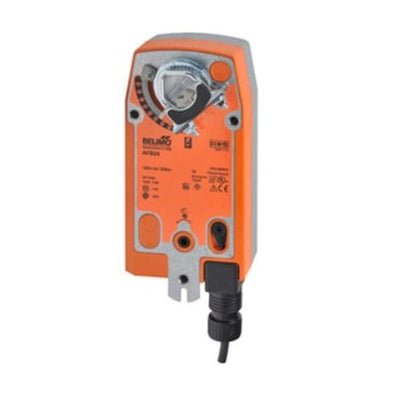

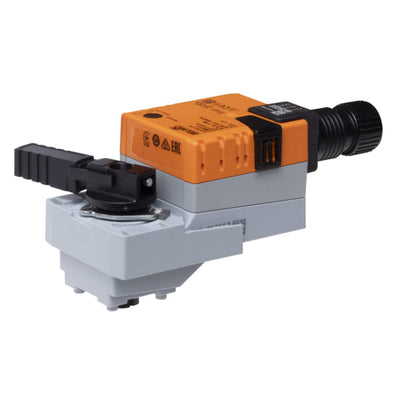
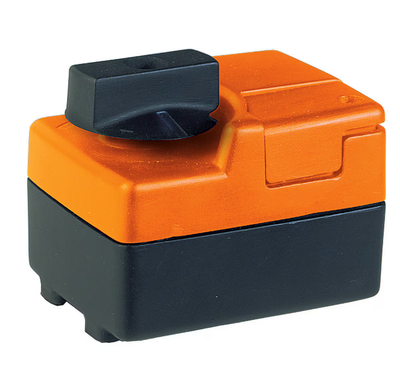

Frequently Asked Questions
What Does a Hospital Building Management System Control?
What Does a Hospital Building Management System Control?
It coordinates HVAC, room pressurization, temperature, humidity, and ventilation across the facility, giving engineers centralized visibility into the conditions that keep critical spaces safe and compliant.
How Does Automation in Hospitals Improve Patient Safety?
How Does Automation in Hospitals Improve Patient Safety?
By continuously monitoring pressure relationships, air changes, and temperature, automation helps maintain infection-control standards and flags issues before they affect patients or staff.
Can You Support a Multisite Health System?
Can You Support a Multisite Health System?
Absolutely. Our nationwide footprint keeps pricing, service, and sourcing consistent.